%2Ffit-in%2F250x250%2Fguide_websites%2F31993%2Fimages%2F177146122817761e6622fa24e337b68bf6abf_finallogowhitebg-p-500.png&w=1200&q=100)
/users/331bc1ae-b5aa-43b9-9187-bff3fb914dbc/ratecard/b1.jpg)
%2F300x300%2Fusers%2F331bc1ae-b5aa-43b9-9187-bff3fb914dbc%2Fratecard%2Fb1.jpg&w=256&q=75)
%2F300x300%2Fusers%2F331bc1ae-b5aa-43b9-9187-bff3fb914dbc%2Fimages%2Fgreat-catch-st-bernard-2410.jpeg&w=256&q=75)
%2F300x300%2Fusers%2F331bc1ae-b5aa-43b9-9187-bff3fb914dbc%2Fimages%2Fsuccessful-fishing-outing-la-2338.jpeg&w=256&q=75)
%2F300x300%2Fusers%2F331bc1ae-b5aa-43b9-9187-bff3fb914dbc%2Fimages%2Fsix-people-fishing-st-bernard-2352.jpeg&w=256&q=75)
%2F300x300%2Fusers%2F331bc1ae-b5aa-43b9-9187-bff3fb914dbc%2Fimages%2Ftripletail-fish-caught-la-2365.jpeg&w=256&q=75)
%2F300x300%2Fusers%2F331bc1ae-b5aa-43b9-9187-bff3fb914dbc%2Fimages%2Ffishing-trio-impressive-haul-st-2423.jpeg&w=256&q=75)
%2F300x300%2Fusers%2F331bc1ae-b5aa-43b9-9187-bff3fb914dbc%2Fimages%2Ffishing-trio-in-la-2284.jpeg&w=256&q=75)
%2F300x300%2Fusers%2F331bc1ae-b5aa-43b9-9187-bff3fb914dbc%2Fimages%2Ffishing-crew-la-2384.jpeg&w=256&q=75)
%2F300x300%2Fusers%2F331bc1ae-b5aa-43b9-9187-bff3fb914dbc%2Fimages%2Fbest-fishing-getaway-la-2284.jpeg&w=256&q=75)
%2F300x300%2Fusers%2F331bc1ae-b5aa-43b9-9187-bff3fb914dbc%2Fimages%2Ffishing-adventure-in-la-2333.jpeg&w=256&q=75)
%2F300x300%2Fusers%2F331bc1ae-b5aa-43b9-9187-bff3fb914dbc%2Fimages%2Fbest-fishing-trip-la-2358.jpeg&w=256&q=75)
Louisiana 8-Hour Inshore with The Cajun Angler
 Southeast Louisiana
What you will be catching:
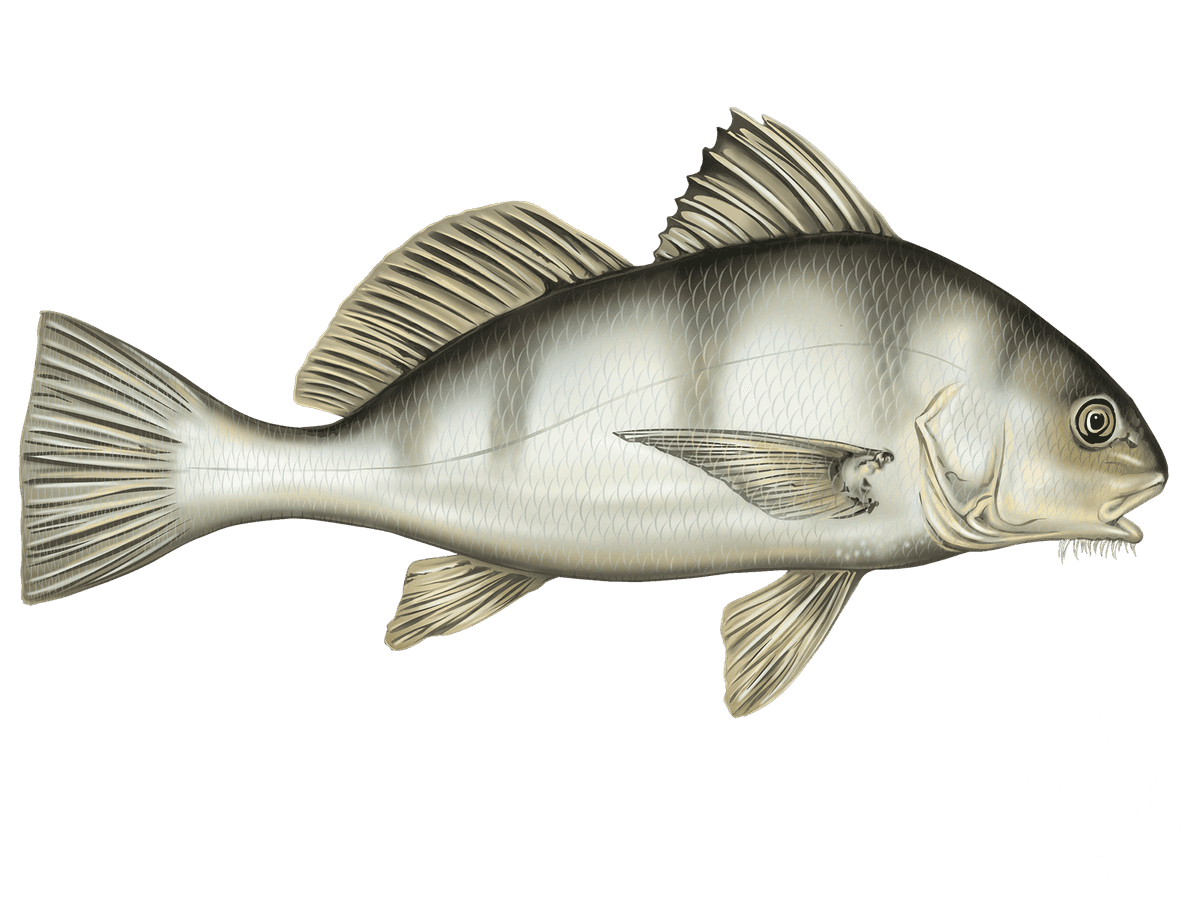
 Black Drum
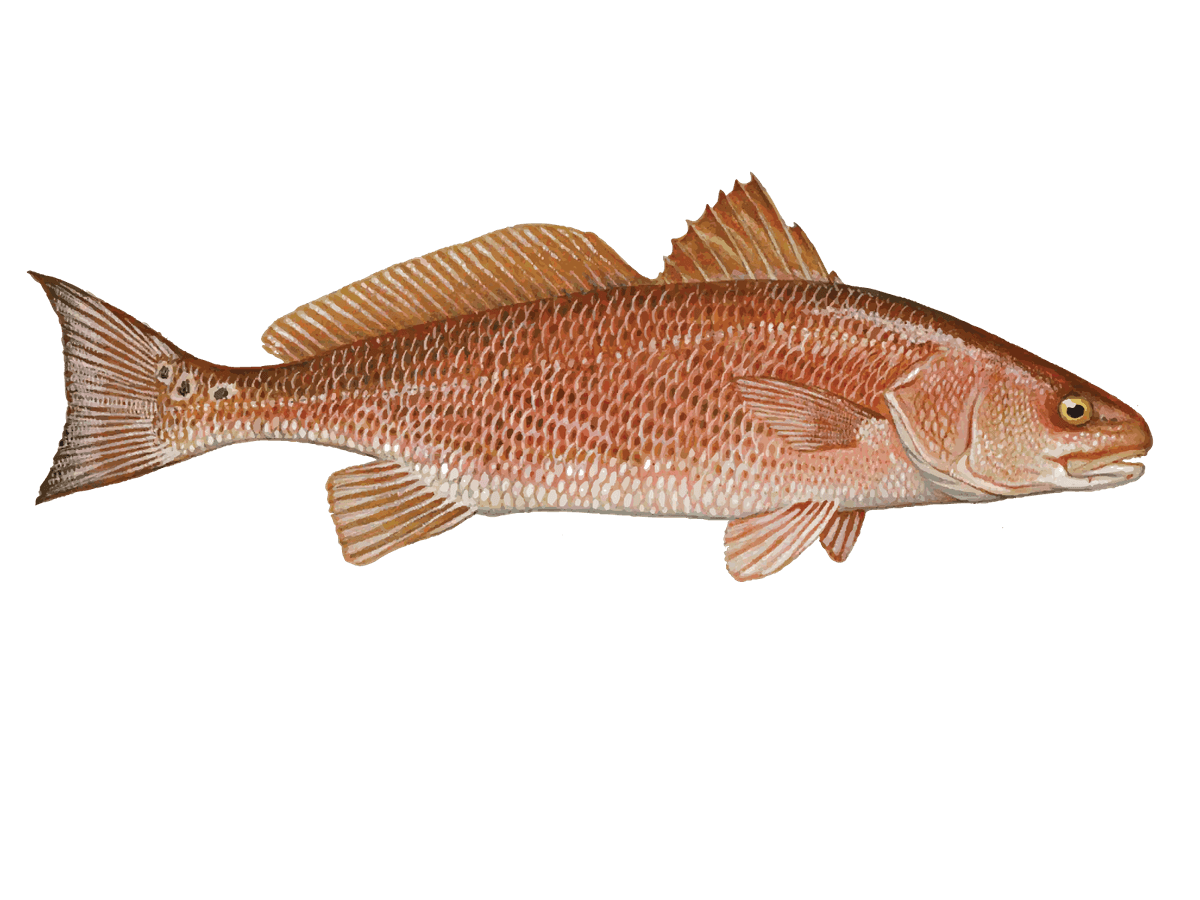
 Redfish
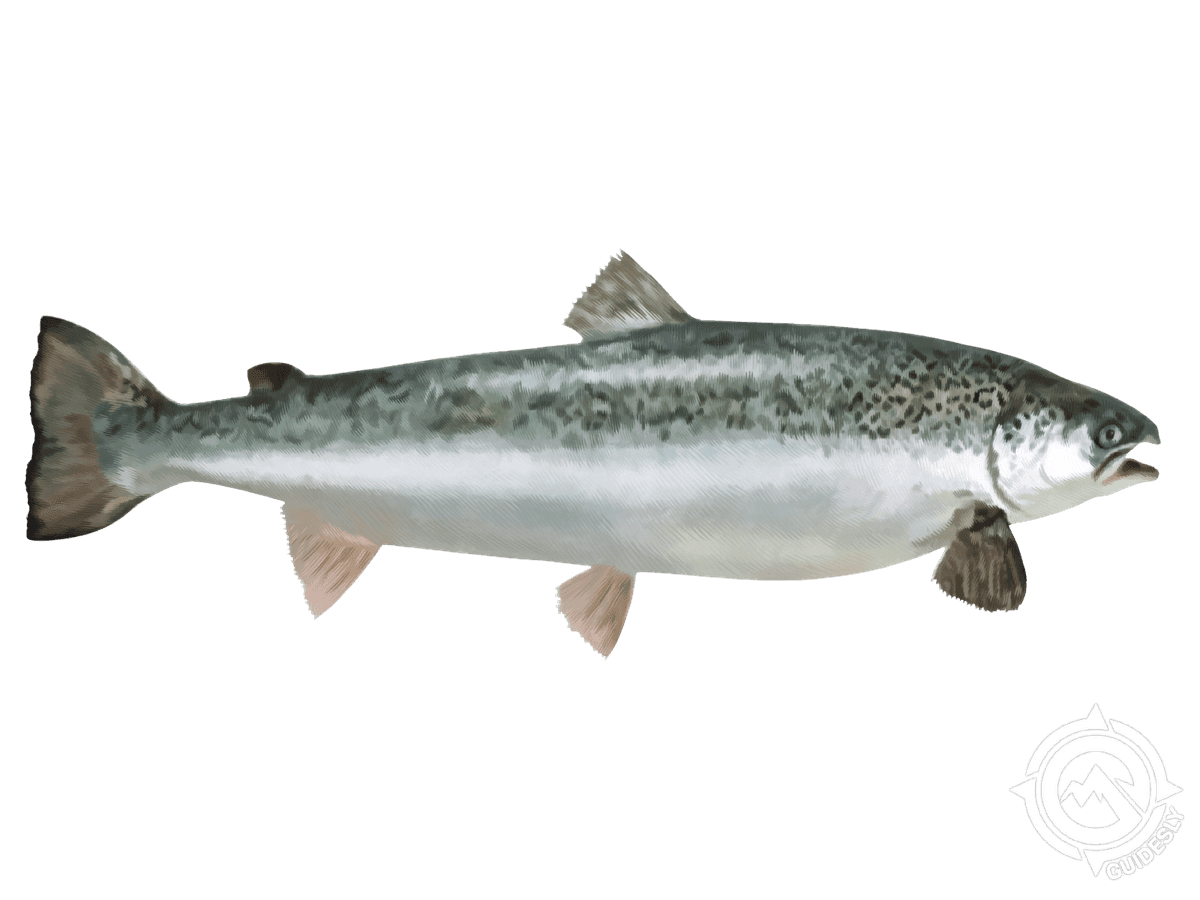
 Sea Trout
 Sheepshead
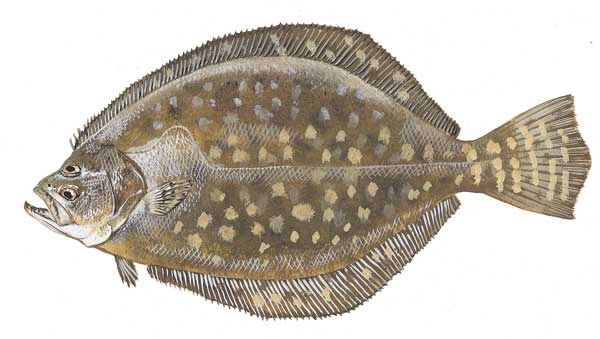 Southern Flounder
- 8-hour inshore fishing targeting redfish, trout, and sheepshead
- All equipment, tackle, bait, and fuel included in package
- $1500 for 3 anglers, additional passengers $300 each
Trip Pricing and Availabilities:
Trip pricing information is temporarily unavailable.
Full-Day Inshore Trip with The Cajun Angler
If you're serious about fishing Louisiana's legendary inshore waters, this 8-hour adventure with The Cajun Angler is your ticket to some of the Gulf Coast's best action. We're talking about a full day on the water targeting redfish, speckled trout, sheepshead, black drum, and flounder in some of the most productive marshes and bays Louisiana has to offer. Captain runs a top-rated 26' Sea Hunt Bay Boat with a 300HP Yamaha that'll get you to the fish fast and keep you comfortable all day long. At $1500 for up to three anglers, with room for two more at $300 each, this trip delivers serious bang for your buck when you break down the cost per hour of premium fishing.
What to Expect on the Water
This isn't your typical half-day rush job – we're talking about eight solid hours of fishing Louisiana's world-class inshore waters. Your captain knows these marshes, bays, and barrier islands like the back of his hand, and he'll put you on fish whether the tide's incoming, outgoing, or dead slack. The Sea Hunt handles Louisiana's shallow waters like a dream, letting us get into those back-country spots where the big reds hang out and the trout stack up thick. You'll start early to beat the boat traffic and make the most of prime feeding times, but don't worry about gear – we've got you covered with quality rods, reels, terminal tackle, live bait, and fuel. Just bring your cooler for the fish and maybe some snacks and drinks for the day. The boat's got plenty of room to spread out, and with only three to five anglers max, you're not fighting for space or the captain's attention.
Techniques & Prime Spots
Louisiana inshore fishing is all about reading the water and adapting to what the fish want on any given day. We'll be working everything from shallow grass flats and oyster reefs to deeper channels and structure. Live bait fishing is king down here – nothing beats a frisky shrimp under a popping cork or a finger mullet on a Carolina rig when the reds are cruising the shallows. When the trout are feeding, we might switch to soft plastics on jigheads or throw some topwater plugs early in the morning. The captain's got the local knowledge to put you on productive water whether we're fishing the marshes around Venice, the barrier islands, or the productive waters near Grand Isle. Tides play a huge role in our success, and eight hours gives us the flexibility to move with the fish as conditions change throughout the day. We'll adjust our approach based on weather, water clarity, and what's been producing lately.
Top Catches This Season
Redfish are the bread and butter of Louisiana inshore fishing, and for good reason. These copper-colored bruisers love our shallow marshes and can be found year-round in good numbers. Slot-size reds (16-27 inches) are what we're after for the table, but don't be surprised if we hook into some bull reds that'll test your drag and give you a fight to remember. They're most active during moving tides and love to cruise the edges of grass beds and oyster reefs. Spring and fall are prime time, but summer mornings and winter warm spells can produce outstanding action.
Speckled trout are another customer favorite that keeps anglers coming back to Louisiana waters. These beautiful fish are abundant in our grass flats and love to feed around structure. They're excellent table fare and put up a respectable fight on light tackle. Specks are most active during cooler months from October through March, but early morning and evening bites during summer can be phenomenal. They're sight feeders, so clear water and good light conditions really help your chances.
Sheepshead are the challenge fish that separate the rookies from the experienced anglers. These black-and-white striped convicts have incredible eyesight and lightning-fast reflexes that'll steal your bait before you know it. They hang around structure like pilings, reefs, and rip-rap, and they're absolutely delicious on the table. Winter months are peak season when they move inshore to spawn, but you can find them around structure year-round if you know where to look.
Black drum are the heavyweights of the inshore scene, with fish ranging from keeper-sized youngsters to massive bulls that can top 40 pounds. They're bottom feeders that love crabs and shrimp, making them perfect targets for our live bait approach. These fish are strong, steady fighters that won't give up easily. They're most active during cooler months and around structure, but you never know when you might hook into a monster cruising the shallows.
Southern flounder are the ambush predators that lie in wait on sandy bottoms and around structure. These flatfish are masters of camouflage and lightning-fast strikes that'll surprise you every time. They're fantastic eating and provide a different kind of fishing challenge since you're targeting the bottom rather than the water column. Fall months see the best flounder action as they move toward deeper water, but summer fishing around structure and drop-offs can be excellent.
Time to Book Your Spot
Eight hours on Louisiana's premier inshore waters with a renowned local captain, quality gear, live bait, and fuel included – this full-day trip with The Cajun Angler represents some of the best fishing value you'll find on the Gulf Coast. Whether you're a local angler looking to expand your knowledge or a visitor wanting to experience what makes Louisiana fishing legendary, this trip delivers the goods. The captain's local expertise, combined with top-notch equipment and access to productive waters, gives you the best shot at a memorable day on the water. Don't wait until the last minute – the best dates fill up fast, especially during peak seasons when the fish are most active.
Learn more about the animals
Black Drum
Black Drum are the heavyweights of Louisiana's inshore waters, and they'll give you a workout you won't forget. These bruisers typically run 5-30 pounds, but don't be surprised if you hook into a 50+ pounder around oyster beds and muddy flats. They're bottom feeders with powerful jaws built for crushing crabs and oysters, so they fight hard and dirty. You'll find them in brackish water around shell reefs, bridge pilings, and creek mouths in 2-15 feet of water. Spring is prime time when they school up to spawn - that's when you hear their distinctive drumming sounds underwater. The smaller ones under 15 pounds make excellent eating with firm, white meat, but the big ones are better as trophy photos. They're known for their long runs and stubborn fights. Pro tip: use fresh crab or cut mullet on a fish finder rig, and when you feel that steady pull, don't horse them - let your drag work and be patient.
Redfish
Redfish are Louisiana's signature inshore species and the fish that built our reputation. These copper-colored beauties with the distinctive black spot near their tail are pure power - they'll strip drag and give you a fight that lasts. Most slot fish run 20-27 inches, but the bull reds in deeper water can push 40+ inches and 30+ pounds. They love shallow flats, oyster reefs, and marsh edges where they tail in 1-4 feet of water. You can literally see their backs out of the water when they're feeding. Spring through fall is prime time, with fall being absolutely lights-out when they school up. What guests love is how aggressive they are - they'll eat topwater plugs, spoons, soft plastics, and live bait with equal enthusiasm. The smaller ones are excellent table fare with firm, sweet meat. Here's a guide tip: when you see them tailing in skinny water, cast well ahead of where they're moving and let your bait sink to the bottom - they're feeding with their heads down.
Sea Trout
Speckled Trout are Louisiana's most popular inshore species, and for good reason - they're beautiful, fight well, and taste even better. These silver fish with dark spots typically run 14-24 inches and 1-5 pounds, though trophy trout over 6 pounds are out there. You'll find them over grass flats, around oyster reefs, and in deeper holes during temperature swings. They love moving water and structure where they can ambush shrimp, crabs, and baitfish. Spring and fall are prime time, but they bite year-round if you know where to look. In summer, fish early morning and late evening around grass beds. Winter pushes them into deeper channels and warmer bayous. What makes them special is their aggressive strikes and acrobatic fights - they'll jump and make runs that test your drag. The meat is soft and flaky, perfect for the dinner table. Local secret: work a soft plastic or live shrimp slowly along the grass edges during moving tide - that's when they feed best.
Sheepshead
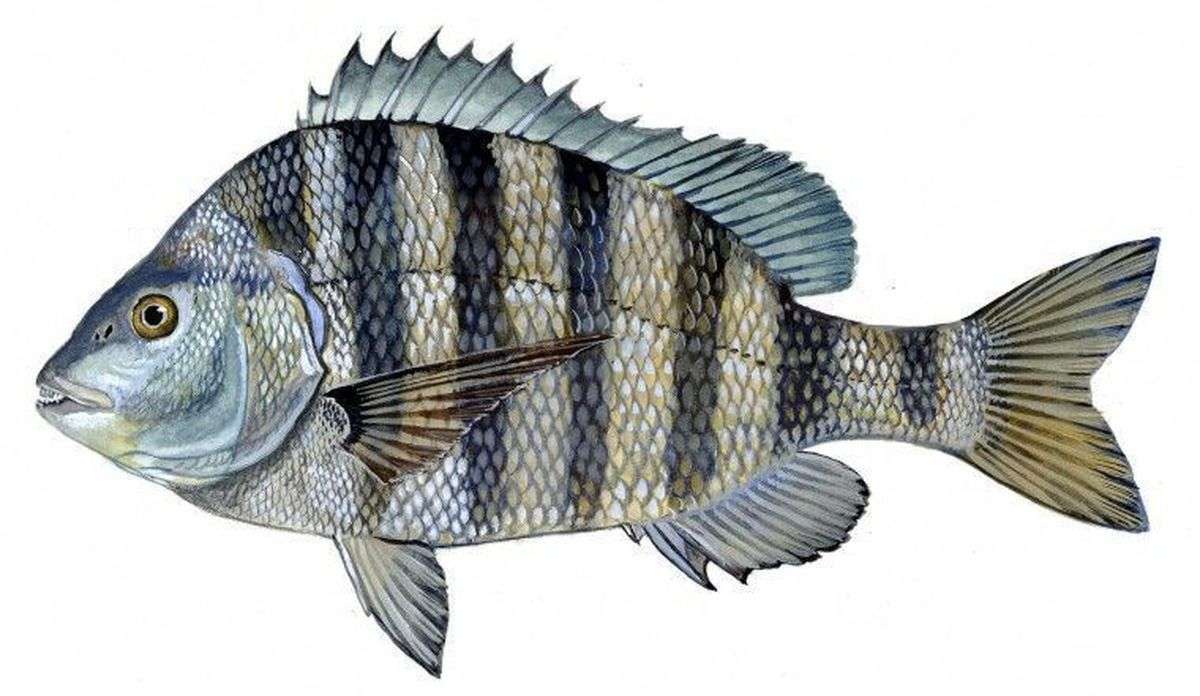
Sheepshead are the "convict fish" of Louisiana waters with their distinctive black and white stripes, but what really sets them apart are their human-like teeth. These 1-8 pound fish love hanging around any kind of structure - docks, pilings, oil rigs, and jetties where they feed on barnacles, crabs, and oysters. They're notorious bait thieves with incredibly light bites, so you need to stay sharp and set the hook fast when you feel that subtle tap. Winter and spring are best when they school up, especially around barnacle-covered pilings in 5-20 feet of water. What guests love is the challenge - they're smart, finicky, and require real skill to catch consistently. Plus, they're some of the best eating fish in the Gulf with sweet, flaky white meat. Here's the key: get your bait tight to the structure and use just enough weight to reach bottom. Fiddler crabs and shrimp work best, and always keep that hook razor sharp.
Southern Flounder
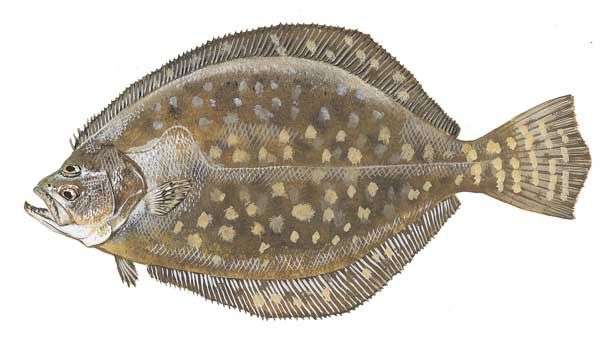
Southern Flounder are one of Louisiana's most unique catches - these flat fish have both eyes on their left side and can change color to match the bottom. They're ambush predators that bury themselves in sand and mud, waiting for shrimp, crabs, and small fish to pass by. Most run 15-18 inches and around 5 pounds, though you can find some pushing 20+ pounds in deeper water. They love muddy bottoms in bays, estuaries, and around structure where the current brings food. Fall and winter are prime time when they school up before heading offshore to spawn. What makes them special is their excellent table fare - sweet, flaky white meat that's hard to beat. Here's a local trick: when you feel that subtle tap, don't set the hook right away. Let them take it and swim off a bit - flounder are notorious for just mouthing the bait before they commit.
About the The Cajun Angler
%2F%2Fusers%2F331bc1ae-b5aa-43b9-9187-bff3fb914dbc%2Fvehicle_picture%2F64dab29f93086beab014ea19_seahunt-500x324.jpeg&w=1200&q=75)
Vehicle Guest Capacity: 6
Manufacturer Name: Yamaha
Maximum Cruising Speed: 34
Number of Engines: 1
Horsepower per Engine: 300